
A load of towels should not take two or three cycles to dry. When it does, the problem is often not the dryer itself. It is the vent line. A certified dryer vent cleaning service fixes the part most homeowners do not see, but it directly affects safety, performance, and how hard your dryer has to work every week.
For homeowners, landlords, and small property managers, this is one of those jobs that is easy to put off because the warning signs build slowly. Clothes come out damp. The laundry room feels hotter than usual. Lint shows up where it should not. Then energy use climbs, drying times get longer, and the fire risk goes up with every load.
What a certified dryer vent cleaning service really means
Not every cleaning company handles dryer vents the same way. A certified dryer vent cleaning service means the work is done by trained technicians who understand vent systems, airflow restrictions, lint buildup, and safe cleaning methods. That matters because dryer vent cleaning is not just about pushing a brush through a pipe and calling it done.
A proper service starts with inspection. The technician checks the vent path, looks for buildup, checks the exterior termination point, and identifies issues like crushed ducting, disconnected sections, bird nests, or improper vent materials. If the vent is long, has multiple turns, or runs through tight spaces, the cleaning method has to match the layout.
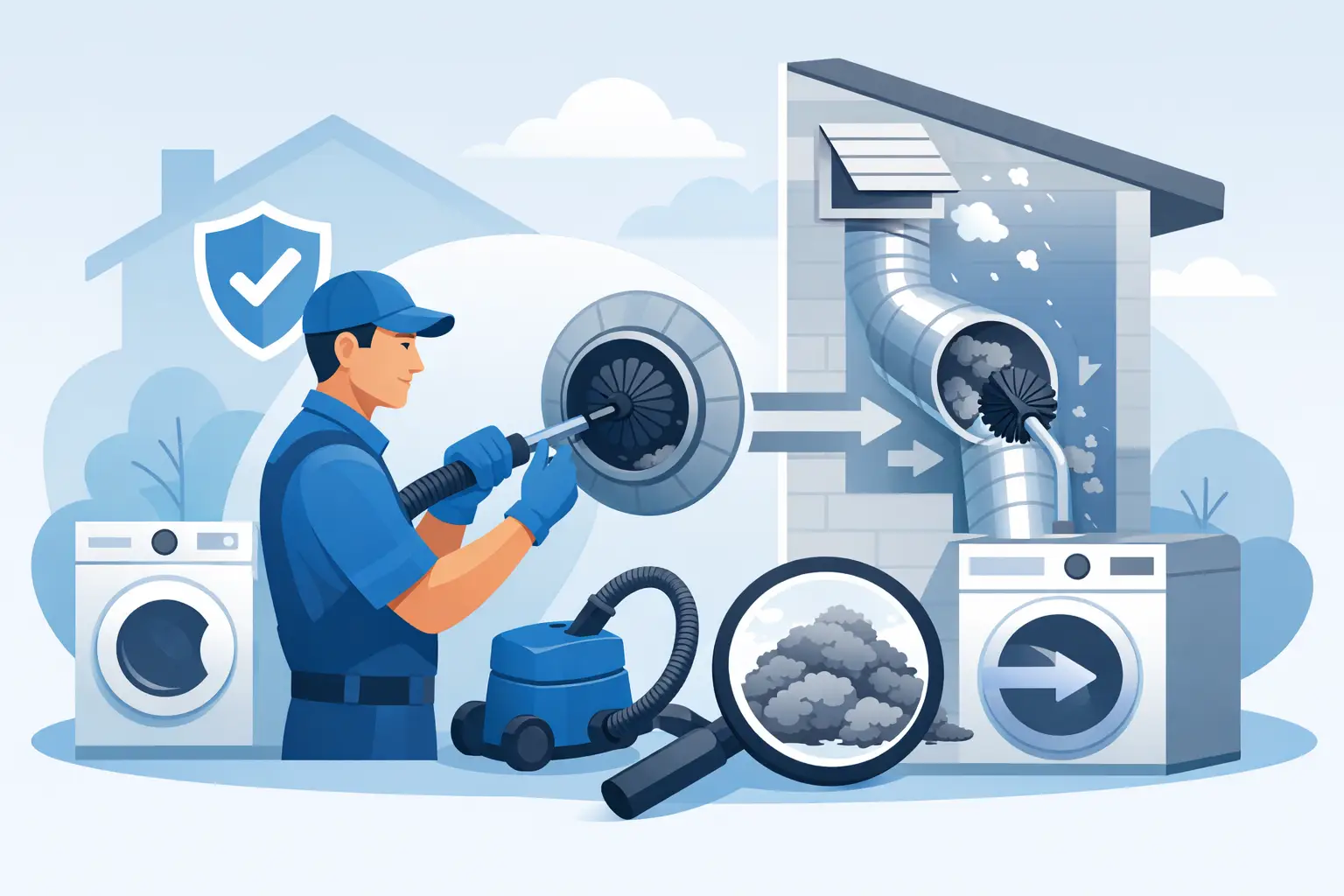
The cleaning itself should remove lint, dust, and debris from the full vent line, not just the part near the dryer. That includes the transition hose, the main duct run, and the outside vent cover when accessible. The goal is simple – restore airflow, reduce heat buildup, and leave the system cleaner than it was before.
Certification also gives customers something practical: confidence that the technician knows what to look for beyond surface-level lint. Some vent systems have hidden problems that cleaning alone will not solve. If the duct is damaged or installed wrong, a qualified provider should tell you plainly.
Why certification matters more than a cheap quick visit
Price matters. So does getting the job done right the first time. A low-cost service can sound appealing until you find out the vent was only partly cleaned, the blockage is still there, or the real issue was never identified.
Dryer vents are a safety system as much as a maintenance item. When lint builds up, hot moist air cannot move out like it should. That trapped heat and lint create the kind of conditions nobody wants in a home or rental property. A certified team is more likely to take the full system seriously instead of treating it like a five-minute add-on.
There is also the performance side. Restricted airflow makes a dryer work longer and harder. That can shorten equipment life over time. In some cases, customers think they need a new dryer when the real problem is a vent line packed with lint. Paying for a thorough cleaning is often cheaper than replacing an appliance early.
That does not mean every home needs the most complex service available. It depends on usage, vent length, and whether there are visible problems with the duct. But if you want a service that is based on actual condition rather than guesswork, certification is a strong place to start.
Signs you need certified dryer vent cleaning service
Some warning signs are obvious. Others are easy to ignore until they become expensive. If clothes are taking longer to dry, that is one of the biggest red flags. A dryer that used to finish a load in one cycle should not suddenly need two.
Another common sign is excess heat. If the dryer feels unusually hot or the laundry room gets warm and humid during a cycle, airflow may be restricted. You may also notice a burning smell, lint around the dryer area, or little to no airflow at the outside vent hood.
For landlords and property managers, tenant complaints about long drying times should not be brushed off. In multi-unit or rental settings, dryer vents often go longer without maintenance because nobody sees the buildup. Regular service is a simple way to protect the property and reduce avoidable calls.
Even without obvious symptoms, heavy-use households should schedule service on a routine basis. Large families, pet owners, and homes doing frequent laundry usually see lint buildup faster than expected.
What happens during a professional appointment
A solid appointment should feel straightforward. The technician arrives, inspects the system, explains what they found, and performs the cleaning with equipment designed for vent lines. There should not be a lot of mystery around the process.
In most homes, the dryer is carefully accessed, the vent path is checked, and specialized tools are used to break up and remove lint buildup. The outside vent opening is also inspected and cleared. If the technician finds a disconnected line, crushed hose, or improper vent material, they should point it out clearly.
This is where experience shows. Some systems are short and simple. Others run a long distance with turns, vertical sections, or hard-to-reach connections. A trained provider knows how to clean the line thoroughly without damaging the vent or leaving major debris behind.
For customers in the Carolinas, that kind of direct, no-nonsense service matters. You want the job handled quickly, professionally, and without a lot of sales pressure. That is the difference between a real service call and a rushed visit that leaves half the problem in place.
Certified dryer vent cleaning service and home safety
Most people book this service because something is not working right. The bigger reason to stay ahead of it is safety. Lint is highly flammable, and dryer vents move hot air every time the machine runs. When airflow is blocked, heat builds where it should not.
That risk is not limited to older dryers. A newer appliance connected to a clogged vent can still overheat, shut down, or perform poorly. In fact, newer units can be more sensitive to airflow problems because they are designed to operate under specific vent conditions.
There is also the issue of moisture. A blocked vent can keep humid air trapped in the line or pushed back indoors. Over time, that can contribute to odors, moisture problems, and extra wear around the laundry area. It is not always dramatic, but it is never helpful.
If you have never had the vent professionally cleaned, or if you cannot remember the last time it was done, that is usually reason enough to check it.
How often should you schedule service?
For many homes, once a year is a smart baseline. That said, frequency depends on how much the dryer is used and how the vent is configured. A short straight vent may stay cleaner longer than a long vent with multiple turns. A household that does laundry every day will need attention sooner than one that runs a few loads a week.
Properties with pets often need more frequent service because hair adds to the lint load. Rentals may also benefit from a regular schedule since usage varies and maintenance can be overlooked between tenants.
The best approach is not guessing. If your drying times are increasing, if the vent has not been cleaned in a long time, or if you want peace of mind, it makes sense to book an inspection and go from there.
Choosing the right company
When hiring a provider, look for clear communication, certified technicians, and a service approach that focuses on thorough work rather than a rushed in-and-out visit. You want a company that explains what it is doing, identifies issues honestly, and respects your home or property.
Affordable pricing matters, but so does value. A cheaper visit is not a better deal if the vent is still clogged when the technician leaves. Ask whether the full vent line is cleaned, whether the exterior vent is checked, and whether the company will point out damaged or improper vent materials if they find them.
Carolinas Air Duct Cleaning Service is built around that kind of practical service – certified work, fair pricing, and a straightforward job done right.
Dryer vent cleaning is not flashy home maintenance. It is just one of those services that pays off in safer operation, better airflow, and less strain on your equipment. When a qualified team handles it thoroughly, you notice the difference where it counts: shorter drying times, better performance, and one less thing to worry about.