
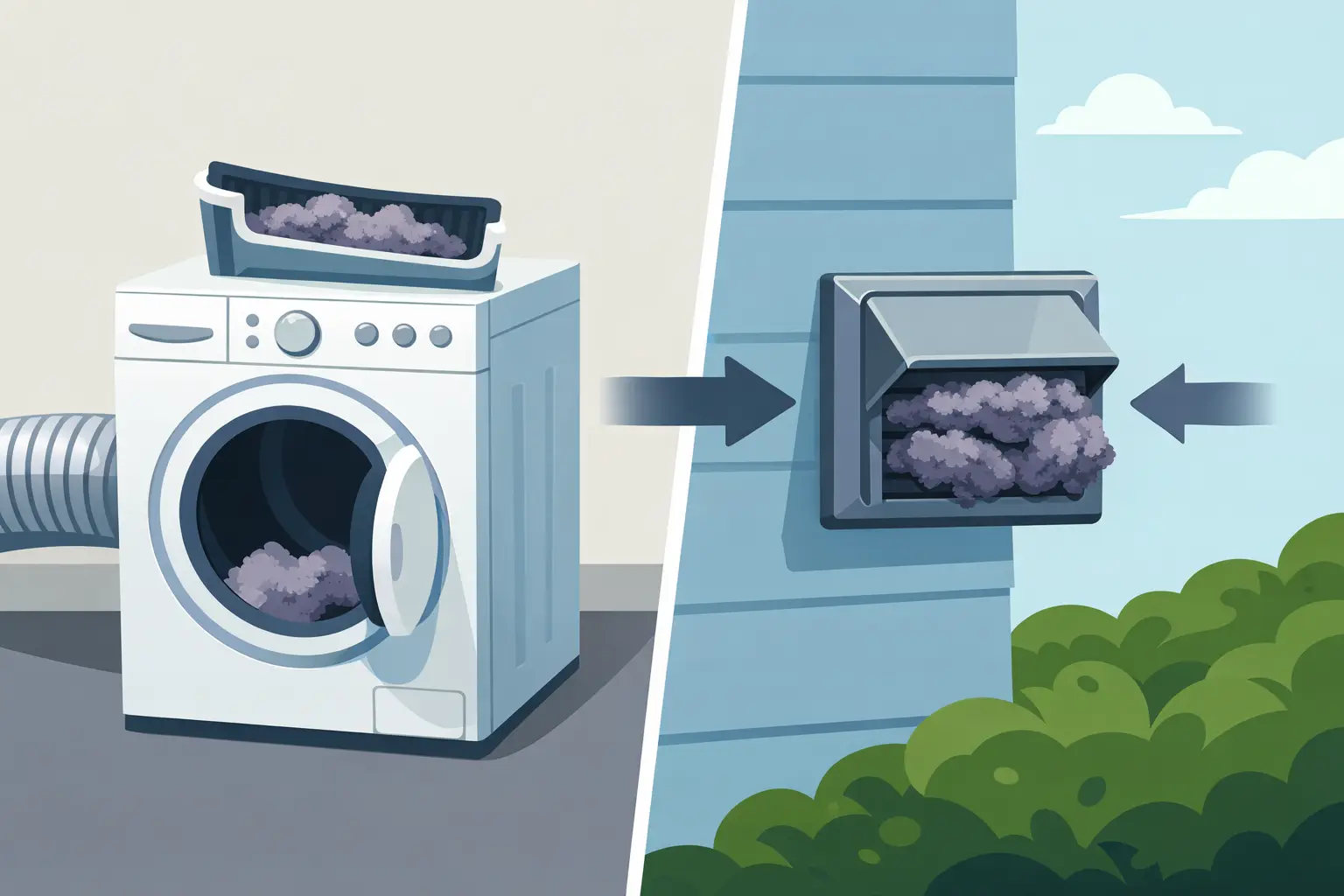
A dryer that suddenly takes two or three cycles to finish a normal load is usually telling you something. If you are wondering how to know dryer vent is blocked, the signs are often easy to spot once you know what to look for. The bigger problem is that many homeowners wait too long, and what starts as a performance issue can turn into a safety issue.
A blocked dryer vent does more than slow down laundry day. It traps heat, moisture, and lint in a system that is supposed to move them outside. That can raise energy costs, wear out the dryer faster, and increase fire risk. For homeowners, renters, landlords, and small property operators, this is one of those maintenance issues that is better handled early.
How to Know Dryer Vent Is Blocked: The Most Common Signs
The clearest warning sign is longer drying times. If your dryer used to finish a load in one cycle and now clothes still come out damp, airflow is likely restricted. The machine may still run, but it cannot push hot, moist air out the way it should.
Another common sign is clothes that feel unusually hot at the end of a cycle. A dryer is meant to dry clothes, not overheat them. When the vent is clogged with lint and debris, heat stays trapped in the system longer than it should.
You may also notice the laundry room getting hot or humid while the dryer is running. That often means moisture is not venting outside properly. In some homes, there may even be a musty smell because damp air keeps lingering indoors.
A burning smell is a more urgent red flag. Lint is highly flammable. If you smell something hot, dusty, or burnt while the dryer is operating, stop using it until the vent is inspected and cleaned.
Outside the home, the vent hood can tell you a lot. When the dryer is on, the flap should open and release a steady stream of warm air. If the flap barely moves or little air is coming out, the vent line may be blocked somewhere between the dryer and the exterior.
Why a Blocked Dryer Vent Should Not Be Ignored
Some home maintenance issues can wait a week or two. A blocked dryer vent is not one of them. Restricted airflow forces the dryer to work harder and longer, which adds unnecessary strain to the appliance. That can lead to higher utility bills and a shorter lifespan for the unit.
The bigger concern is safety. Lint buildup inside the vent is one of the most common causes of dryer-related fires. Even if a full blockage has not happened yet, heavy buildup can still create dangerous conditions. Heat has to go somewhere, and when it cannot escape properly, the risk goes up.
There is also a moisture issue. A dryer vent is designed to carry humid air outdoors. If that moisture backs up, it can contribute to stale air, condensation, and in some cases mildew near the laundry area. For property owners trying to protect indoor air quality, that is reason enough to deal with the problem quickly.
Signs Inside and Outside the Dryer System
Some symptoms show up right at the dryer. Others appear farther down the vent line. That is why a quick lint trap cleaning does not always solve the issue.
At the machine itself, you might notice the top of the dryer becoming too hot to touch. You may hear the dryer running normally, but drying performance keeps getting worse. In some models, the automatic shutoff may trigger because the system senses overheating.
At the vent connection behind the dryer, lint can build up where the duct bends or where flexible vent material sags. This is especially common in tighter laundry spaces. A long vent run, too many turns, or crushed ducting can make blockage more likely.
Outside, look at the vent cap while the dryer is running. Weak airflow, visible lint around the opening, or a flap that stays shut are all signs of trouble. If birds, insects, or debris have gotten into the exterior vent cover, that can also restrict airflow.
What Causes Dryer Vents to Get Blocked
The most common cause is simple lint buildup. Even if you clean the lint screen after every load, fine particles still get past the filter and collect inside the vent line over time. That is normal, but if the vent is not cleaned, that buildup keeps growing.
The vent material matters too. Older plastic or foil-style ducts tend to trap lint more easily than rigid metal ducting. They can also sag, kink, or crush behind the dryer, which narrows the path for airflow.
Longer vent runs are another factor. The farther air has to travel, the easier it is for lint to settle in the line. Add several elbows or turns, and the vent has even more places for buildup to collect.
In some homes, the problem is not just lint. Exterior vents can get blocked by leaves, nesting material, or pests. In rental properties and light commercial spaces, where dryers may run more often, buildup can happen faster than owners expect.
Can You Check a Dryer Vent Yourself?
You can spot the warning signs yourself, and that helps. A basic visual check of the lint screen, the area behind the dryer, and the exterior vent hood can tell you whether something looks off. If airflow is weak, drying times are increasing, or the dryer is overheating, there is already enough reason to take it seriously.
What you usually cannot tell from a quick check is how far the blockage goes or how packed the vent line has become. A vent can look fine near the dryer but still be heavily clogged deeper in the duct. That is where homeowners often underestimate the problem.
If you decide to inspect around the dryer, unplug the machine first. If it is a gas dryer, be more cautious and avoid moving anything if you are not comfortable doing it. There is a difference between noticing a problem and fully clearing it the right way.
When Professional Cleaning Makes More Sense
If your dryer shows more than one warning sign, it is time to stop guessing. Professional dryer vent cleaning is the safest move when performance is dropping, heat is building up, or lint is visibly collecting around the vent system.
A proper cleaning removes buildup through the full vent line, not just the section you can reach. That matters because partial cleaning can leave the main blockage untouched. It may seem better for a short time, then quickly return to the same problem.
This is especially important for landlords and small property operators. If tenants report long drying times, excess heat, or burning smells, the issue should be addressed quickly. It protects the appliance, the property, and the people using it.
For homeowners in the Carolinas, professional service also saves time. Instead of pulling apart ducting, guessing where the clog is, and hoping airflow improves, a certified team can clean the vent thoroughly and confirm that the system is moving air the way it should. That is the kind of straightforward service Carolinas Air Duct Cleaning Service is built around.
How Often Should a Dryer Vent Be Cleaned?
It depends on how often the dryer is used and what kinds of loads you run. A household that does laundry every day will build up lint faster than one that runs a few loads a week. Pet hair, towels, and heavier fabrics can also add to buildup.
For many homes, a yearly dryer vent cleaning is a smart baseline. Larger households, rental properties, and small commercial settings may need it more often. If the warning signs show up before that, do not wait for a calendar reminder.
Regular cleaning is not about overdoing maintenance. It is about keeping a simple system working the way it should. Good airflow means faster drying, less strain on the dryer, and a lower chance of dangerous lint buildup.
A Good Rule to Follow
If your dryer is running hotter, taking longer, or making the laundry room feel humid, trust those signs. A blocked vent usually gives warnings before it becomes a bigger problem. Taking care of it early is one of the simplest ways to protect your home, your appliance, and your peace of mind.
Pingback: Lint Buildup in Dryer Hose and What to Do – Carolinas Air Duct Cleaning Service
Pingback: How to Choose Duct Cleaners You Can Trust – Carolinas Air Duct Cleaning Service
Pingback: Home Dryer Vent Cleaning Guide for Safer Drying – Carolinas Air Duct Cleaning Service
Pingback: Slow Dryer Drying Clothes? Check the Vent – Carolinas Air Duct Cleaning Service