
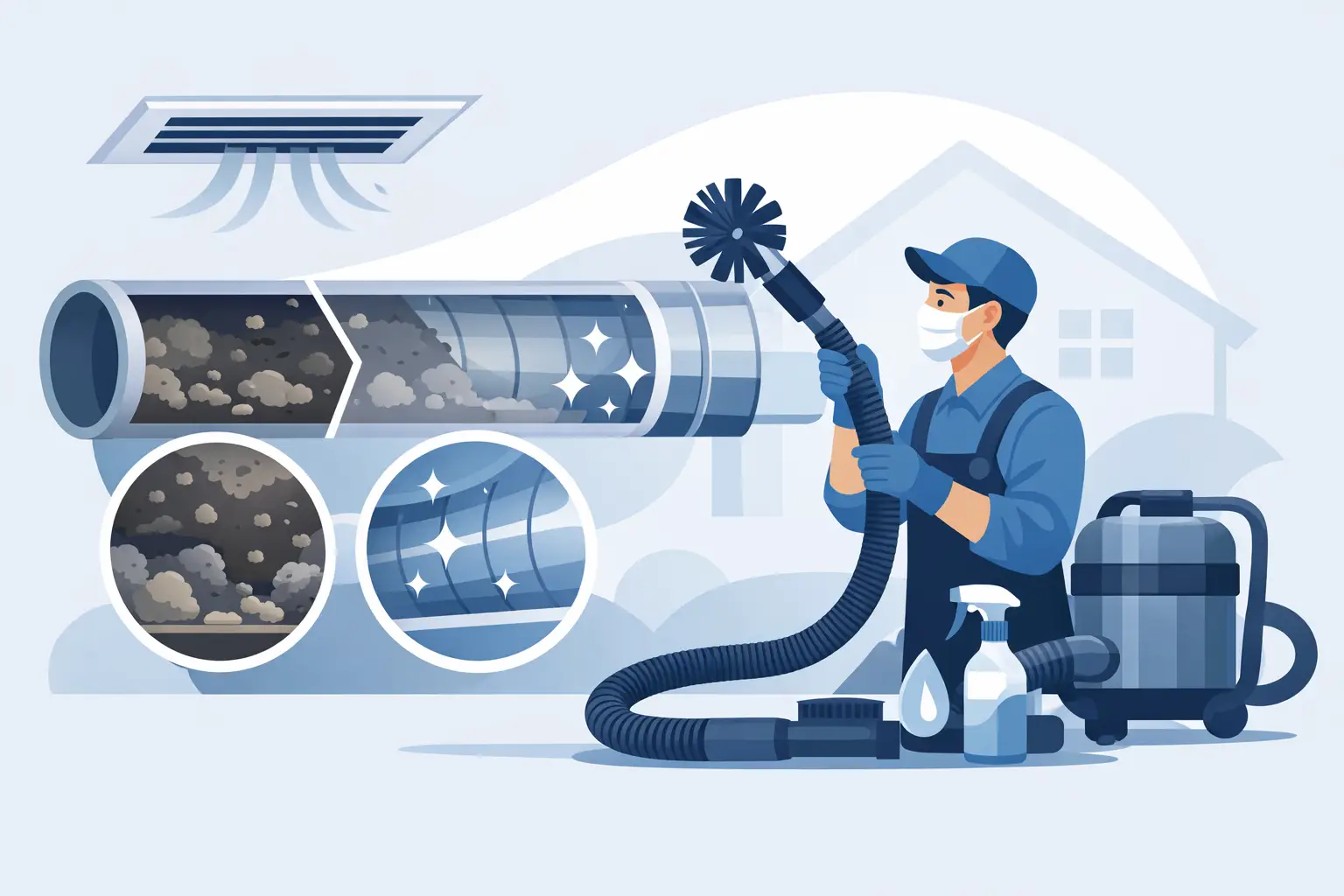
If you have dust settling on furniture a day after cleaning, stale air coming through the vents, or allergy symptoms that seem worse indoors, the question usually comes up fast: what is the best air duct cleaning method? For most homes and small commercial spaces, the answer is source removal using negative pressure and mechanical agitation. That is the method professionals trust because it removes debris from the system instead of just loosening it and leaving part of it behind.
That matters because air ducts are not something you want cleaned halfway. If dust, pet hair, construction debris, and other buildup stay inside the system, your HVAC keeps moving that contamination through the property. A proper cleaning should leave the system cleaner, not just disturbed.
What the best air duct cleaning method actually is
The best air duct cleaning method is a full source removal process. In plain terms, that means putting the duct system under strong negative pressure with commercial vacuum equipment while using brushes, air whips, and other agitation tools to break debris loose from inside the ductwork.
The vacuum pulls the loosened debris out of the system and into containment. The agitation tools do the work of separating stuck-on dust and buildup from the duct walls. Using both together is what makes the cleaning effective. Vacuum alone is not enough if the debris is packed in place. Brushing alone is not enough if the loosened dust is not captured and removed.
When this method is done right, the technician cleans supply ducts, return ducts, registers, grilles, and key HVAC components that affect system cleanliness. The goal is not to make one vent look better. The goal is to clean the system as a system.
Why source removal beats shortcut methods
Some duct cleaning approaches sound good in a sales pitch but do not deliver the same results. A small shop vacuum, a basic blow-out, or a quick pass through a few vents may move debris around, but that is not the same as removing contamination from the full system.
Fogging and deodorizing have their place in limited situations, but they are not the best air duct cleaning method on their own. If dust and debris are still inside the ductwork, adding fragrance or treatment does not solve the real problem. The same goes for surface-level cleaning that focuses only on visible vent covers.
A thorough source removal job costs more than a rushed special, but there is a reason. It takes trained technicians, the right equipment, and enough time to do the work correctly. For homeowners and property managers, that usually means better value in the long run because the job is done once and done right.
How a proper duct cleaning should look
A professional cleaning should follow a clear process. First comes inspection. The technician should look at the duct system, identify access points, and check the level of buildup. Not every property has the same layout, and not every duct material should be handled the same way.
Next, the system is prepared and placed under negative pressure. This step is what helps keep dust from escaping into the home during cleaning. Once suction is established, agitation tools are used branch by branch to move debris toward the vacuum collection point.
Then the technician cleans the vents, returns, and accessible HVAC components tied to airflow and contamination. If the company also identifies issues like disconnected ducts, heavy mold-like growth, or damage, that should be explained clearly. A good contractor tells you what cleaning can fix and what needs separate repair or inspection.
The method depends on the duct material
Even the best air duct cleaning method has to be matched to the system. Metal ductwork can usually handle more aggressive agitation tools. Flexible duct and ductboard require a lighter touch. If someone uses the wrong tools, they can damage the duct interior instead of cleaning it.
That is one reason certified technicians matter. They know when to use rotary brushes, when to use compressed air tools, and when to adjust the approach to protect the system. Homeowners should not have to guess about that. The company doing the work should already know.
What about mold, odors, and sanitizers?
This is where a lot of confusion starts. If there is visible buildup, dust, or debris in the system, removal comes first. No sanitizer replaces physical cleaning. If there is suspected mold, the right next step depends on what is actually present, where it is located, and whether moisture issues are still active.
Odors can improve after proper source removal, especially if the smell is tied to dust, pet dander, or stale buildup in the ducts. But if the odor is coming from something else, like microbial growth, standing moisture, a dead pest, or a clogged drain issue, the cleaning may need to be paired with additional corrective work.
The honest answer is that it depends. Any company promising that one spray treatment solves every air quality issue is overselling it.
Signs you need professional air duct cleaning
Most people do not inspect their ductwork, so the warning signs show up in everyday life first. You may notice more dust around the home, musty airflow, uneven airflow from room to room, or visible debris around the vents. After remodeling or construction, duct cleaning is often worth considering because drywall dust and fine particles can settle deep into the system.
For rental properties and light commercial spaces, turnover periods are another smart time to have the system checked. If you do not know the maintenance history, starting with a clean duct system can help improve air quality and reset the property the right way.
If anyone in the home deals with allergies or respiratory irritation, a dirty duct system is not something to ignore. It may not be the only cause, but it can absolutely contribute.
What the best air duct cleaning method should not be
It should not be a rushed coupon job that promises the whole house in an unrealistically short visit. It should not be one technician cleaning a few vents and calling it complete. It should not leave dust blown into the living space, and it should not rely on scare tactics to upsell services you do not need.
A dependable service should be clear about the process, the price, and the expected result. You should know what parts of the system are being cleaned and how the debris is being removed. Straight answers matter here.
How to choose the right company for the job
The method matters, but the crew matters just as much. Ask whether the company uses negative pressure equipment and mechanical agitation. Ask whether they clean the full system or only selected vents. Ask whether the technicians are trained and certified for HVAC hygiene work.
You also want a company that respects your property. Duct cleaning should improve cleanliness, not create a mess in the home. Professional setup, proper containment, and careful work are part of doing the job right.
Affordable service is important, but cheap and thorough are not always the same thing. If the price sounds too low for the time and labor involved, there is usually a reason. A fair price for real source removal is often the smarter call than paying twice for a poor first attempt.
Why homeowners in the Carolinas ask this question so often
In the Carolinas, HVAC systems run hard through long cooling seasons, and homes can collect plenty of dust, pollen, and humidity-related buildup. That makes routine system hygiene more than a cosmetic issue. Clean ducts can support cleaner indoor air and a more comfortable home, especially when the work is done by certified technicians who know how to handle the system correctly.
For homeowners, landlords, and small business operators, the best air duct cleaning method is the one that actually removes contamination without damaging the ductwork or wasting time on gimmicks. That is why source removal remains the standard. It is practical, proven, and built around real results.
At Carolinas Air Duct Cleaning Service, that is the kind of work people expect – straightforward service, thorough cleaning, and no unnecessary runaround. If you want cleaner vents, less dust, and a healthier system, the right method is the one that leaves the dirt with the crew, not in your ductwork.
Pingback: 12 Questions to Ask Duct Cleaners Before Hiring – Carolinas Air Duct Cleaning Service